
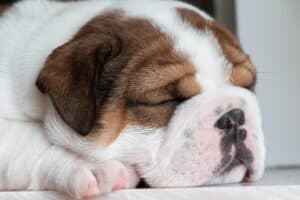
 English Bulldogs are known for their adorable wrinkles, expressive faces, and loving personalities. However, their unique facial structure can also make them more susceptible to certain eye conditions.
Understanding common English Bulldog eye problems is important for both current Bulldog owners and families considering bringing one of these wonderful companions into their homes.
At IrresistiBulls, we believe that educating families about the breed is just as important as helping them find the right puppy. Recognizing potential eye problems early can make a significant difference in protecting your Bulldog’s comfort and vision.
Below are four eye conditions every English Bulldog owner should understand, along with their symptoms, treatments, and preventive care.
Why Are English Bulldogs Prone to Eye Problems?
English Bulldogs are a brachycephalic breed, meaning they have a shortened muzzle and distinctive facial structure.
Their prominent eyes, surrounding skin folds, and eyelid anatomy can sometimes increase their risk of irritation and injury.
Some eye conditions are associated with inherited traits, while others develop because of injuries, reduced tear production, or environmental factors.
Not every English Bulldog will experience these problems, but recognizing the warning signs is an important part of responsible ownership.
1. Cherry Eye in English Bulldogs
Cherry eye is one of the more recognizable eye conditions affecting English Bulldogs.
Dogs have a third eyelid that contains a gland responsible for producing part of their protective tear film. Cherry eye occurs when this gland slips out of its normal position.
The condition creates a noticeable pink or reddish lump near the inner corner of the eye.
Symptoms of Cherry Eye
A pink or red, rounded lump in the corner of the eye
Redness or irritation
Excessive tearing or discharge
Pawing or rubbing at the affected eye
Cherry eye frequently develops in younger dogs and can affect one or both eyes.
Can Cherry Eye Be Treated?
Yes. Cherry eye is generally treated through surgery that repositions the gland.
Preserving the gland is important because removing it can increase the risk of chronic dry eye later in life.
Although cherry eye is treatable, early veterinary attention is recommended to help prevent ongoing irritation and complications.
According to “Cornell University’s College of Veterinary Medicine” English Bulldogs are among the breeds predisposed to this condition.
2. Entropion in English Bulldogs
Entropion occurs when a dog’s eyelid rolls inward, causing the eyelashes or surrounding hair to rub against the surface of the eye.
This constant irritation can be painful and may eventually damage the cornea.
Because eyelid shape and facial conformation can contribute to this condition, it is particularly important to evaluate eye health in breeds like the English Bulldog.
Signs of Entropion
Common symptoms include:
– Frequent squinting or blinking
– Excessive tearing
– Redness around the eyes
– Rubbing the face against furniture or bedding
– Sensitivity to light
In more severe cases, continued irritation may cause corneal ulcers or scarring.
How Is Entropion Treated?
Treatment depends on the dog’s age and the severity of the condition.
Some young puppies may benefit from temporary eyelid procedures while their faces are developing. Other dogs require corrective surgery to restore the eyelid’s proper position.
The “American College of Veterinary Ophthalmologists” explains that properly diagnosing and treating entropion can help protect the eye from permanent damage.
3. Dry Eye in English Bulldogs
Dry eye, medically known as keratoconjunctivitis sicca (KCS), develops when a dog’s eyes do not produce enough of the watery portion of their tears.
Tears are essential for keeping the eyes lubricated, comfortable, and protected.
Without adequate tear production, the eye’s surface can become irritated and inflamed.
English Bulldogs are among the breeds with an increased predisposition to this condition.
Symptoms of Dry Eye
Signs may include:
– Thick yellow or greenish eye discharge
– Redness or inflammation
– Frequent blinking or squinting
– Eyes that appear dull or dry
– Rubbing or pawing at the eyes
Some owners mistake the discharge associated with dry eye for a simple eye infection.
However, dry eye requires proper veterinary testing and treatment.
Can Dry Eye Be Managed?
A veterinarian can measure tear production using a Schirmer tear test.
Treatment often involves prescription medications that help stimulate tear production, along with lubricating eye drops when appropriate.
Many dogs with dry eye require lifelong management.
Early diagnosis is especially important because untreated dry eye can lead to corneal damage and vision problems.
You can read more about dry eye through “Cornell University’s veterinary health resources”
4. Corneal Ulcers in English Bulldogs
Corneal ulcers are another important eye problem English Bulldog owners should recognize.
The cornea is the clear outer surface of the eye. An ulcer occurs when this protective surface becomes damaged.
Bulldogs may be more vulnerable to corneal injuries because of their prominent eyes and facial anatomy.
Ulcers can develop from scratches, trauma, dry eye, or irritation caused by abnormal eyelids or eyelashes.
Symptoms of Corneal Ulcers
Warning signs include:
– Suddenly squinting or holding one eye closed
– Excessive tearing
– Redness
– Cloudiness on the eye’s surface
– Pawing or rubbing at the face
– Visible discomfort
A suspected corneal ulcer requires prompt veterinary attention, ideally the same day.
Some ulcers can worsen quickly and potentially threaten a dog’s vision.
How Are Corneal Ulcers Treated?
Treatment depends on the depth and severity of the injury.
A veterinarian may use a special fluorescein stain to identify damage to the cornea.
Superficial ulcers may be treated with prescription eye medications and pain management, while deeper ulcers sometimes require surgical intervention.
Never use leftover eye medications, particularly steroid-containing eye drops, without veterinary approval. Certain medications can make corneal ulcers significantly worse.
How to Help Prevent English Bulldog Eye Problems
Although not all English Bulldog eye problems can be prevented, there are several ways owners can protect their dog’s eye health.
Examine Your Bulldog’s Eyes Regularly
Get into the habit of looking at your Bulldog’s eyes during everyday grooming.
Watch for redness, excessive tearing, swelling, discharge, cloudiness, or unusual squinting.
Keep Facial Wrinkles Clean
English Bulldogs have adorable facial wrinkles, but these folds require regular attention.
Keep the surrounding skin clean and dry, and prevent shampoo, grooming products, and debris from entering the eyes.
If facial hair or a skin fold rubs against the eye, have your veterinarian evaluate it.
Schedule Regular Veterinary Examinations
Routine veterinary visits can help identify developing eye conditions before they become more serious.
If your Bulldog experiences recurring irritation or discharge, ask your veterinarian whether additional eye testing is appropriate.
Avoid Eye Injuries
Be mindful of sharp branches, rough play, and objects that could scratch your Bulldog’s eyes.
Because the eyes are relatively prominent, even minor accidents can sometimes cause painful injuries.
Why Responsible English Bulldog Breeding Matters
Responsible breeding involves much more than producing beautiful puppies.
A knowledgeable English Bulldog breeder should understand the breed’s unique health considerations and carefully evaluate the dogs selected for breeding.
Certain eye conditions, including cherry eye and some forms of entropion, have inherited or breed-related components.
While no breeder can guarantee that a puppy will never develop an eye condition, thoughtful breeding decisions and appropriate veterinary screening can help identify potential concerns.
At IrresistiBulls, located in Santee, South Carolina, we have dedicated years to raising English Bulldogs and learning about their health, temperament, and overall well-being.
We work closely with our veterinarian, who thoroughly examines our adult Bulldogs before breeding. We pay attention to their physical structure and health history when making breeding decisions.
Our goal is to raise healthy, happy, well-socialized English Bulldog puppies while helping families understand the responsibilities that come with owning this special breed.
You can learn more about the dogs behind our breeding program by visiting our “English Bulldog sires and dams page”
When Should You Take Your English Bulldog to the Veterinarian?
Eye problems should never be ignored, particularly in brachycephalic breeds.
Contact your veterinarian promptly if you notice unusual discharge, swelling, redness, or a new lump near the eye.
Seek urgent, same-day veterinary care if your Bulldog suddenly holds an eye closed, develops obvious pain, has a cloudy eye, or experiences an eye injury.
Quick treatment can help protect your Bulldog’s comfort and eyesight.
Frequently Asked Questions About English Bulldog Eye Problems
Are eye problems common in English Bulldogs?
English Bulldogs are predisposed to several eye conditions because of their anatomy and inherited traits. However, not every Bulldog will develop an eye problem.
Is cherry eye painful for English Bulldogs?
Cherry eye can cause irritation and discomfort. If left untreated, the exposed gland may become increasingly inflamed and contribute to other eye complications.
Can an English Bulldog develop dry eye as an adult?
Yes. Dry eye can develop at different ages and is often diagnosed in middle-aged dogs. Persistent discharge, redness, or squinting should be evaluated by a veterinarian.
Can responsible breeding prevent every eye problem?
No. Responsible breeding can help reduce certain inherited risks, but some eye problems occur because of injuries, environmental factors, or conditions that cannot always be predicted.
Final Thoughts on English Bulldog Eye Health
Understanding common English Bulldog eye problems allows owners to recognize symptoms early and seek appropriate veterinary care.
Cherry eye, entropion, dry eye, and corneal ulcers are important conditions to recognize, but timely treatment and proper care can make a tremendous difference.
At IrresistiBulls, our love for English Bulldogs goes beyond raising puppies. We believe in educating families, encouraging responsible ownership, and helping our puppies begin their lives with the care and attention they deserve.
If you’re considering adding an English Bulldog to your family, we invite you to explore our “available English Bulldog puppies” and learn more about our breeding program in Santee, South Carolina.
IrresistiBulls — Raising English Bulldogs with love, dedication, and a commitment to responsible breeding.
This article provides general educational information and is not a substitute for veterinary diagnosis or treatment.